

Mental exhaustion doesn’t always look dramatic.
Sometimes it feels like quiet overwhelm, a tired mind that keeps going even when the body is asking for rest.
For a long time, I thought this meant I was doing something wrong — mismanaging my time, lacking strength, or not pushing hard enough.
But slowly, I began to understand that what I was feeling wasn’t laziness or weakness.
It was nervous system fatigue.
Life can be beautiful and demanding at the same time. Emotional responsibilities, caregiving, mental load, and the quiet pressure of daily life can leave the body in a constant state of alert—even when nothing dramatic is happening.
Harvard Health clarifies that the stress response serves to safeguard us during brief moments. Still, when it stays activated for long periods, it can contribute to fatigue, anxiety, and physical tension.
Realizing these facts changed how I approached healing.
Instead of forcing myself to function better, I began searching for ways to feel safer inside my own body, such as practicing mindfulness, engaging in gentle movement, and creating a calming environment.
That is where soft living began for me.
Soft Living as Gentle Regulation
Soft living isn’t about escaping life or avoiding responsibility.
It is about creating small moments of safety within real life.
Moments where your nervous system is not required to perform, solve, or endure — only to exist.
For me, that looked like learning to value tiny resets:
- warm rituals
- slower breathing
- reduced stimulation
- emotional honesty
- supportive nutrients
- quiet pauses without guilt
Nothing dramatic.
Just softness layered gently into ordinary days.
A Breathing Practice That Helped Me Soften
One of the simplest things that helped me release internal pressure was breathing.
A technique called “physiological sigh breathing” felt especially comforting:
- Inhale slowly through the nose
- Take a short second inhale
- Exhale slowly through the mouth
Even a few repetitions created a subtle shift — like my body finally received permission to stop bracing.
No long routines.
No perfect meditation posture.
Just a quiet exhale that felt like relief.
Gentle Supports That Made Heavy Days Lighter
There was never one solution — only small companions that helped me feel less alone inside the experience.
Magnesium and physical relaxation
During periods where my body felt tense yet exhausted, magnesium became a gentle support for muscle tightness and sleep restlessness.
The NIH explains magnesium’s role in nervous system and muscle function in this Fact Sheet for Consumers.
If you are exploring options, these gentle forms are often chosen for relaxation:
Magnesium glycinate — body calm and muscle release
Many people find magnesium glycinate to be soothing for both tension and sleep.
If you would like to explore a gentle option, you can look ata a well-reviewed magnesium glycinate here.

- Contains 1160mg of Magnesium Glycinate per serving
- Includes Aloe Vera Complex in the formulation
- Features Vitamin D3 and K2 (MK-7) in the ingredient list
I personally reach for this type when my body feels tense, but my mind refuses to rest.
Magnesium L-threonate — mental calm and cognitive overwhelm
Sometimes helpful when stress feels more mental than physical.
You can explore a cognitive-support magnesium option here if mental fatigue feels prominent.

- Brain Health and Function: Magnesium L Threonate supplement, or Magtein, is a unique form that has been shown to readily…
- MagMind Highlights: Jarrow MagMind Magnesium Threonate supplement includes 90 capsules, and each serving delivers 2 g of…
- Improve your daily routine by taking three Magnesium L-Threonate capsules per day by mouth, 2 capsules during the day ro…
Supplements didn’t fix everything — but sometimes they helped my body soften enough for deeper healing to happen.
Warm tea as a nervous system ritual
Some evenings, exhaustion felt louder than my thoughts—the kind where rest is needed, but sleep feels distant.
Making tea became less about the drink itself and more about the pause it created.
The warmth in my hands, the soft aroma, and the slow rhythm of sipping quietly helped my body unwind after long, emotionally demanding days.
Without noticing, my breathing slowed, my shoulders softened, and the mental tension that followed me all day began to loosen just a little.
Research suggests that caffeine-free herbal teas may support relaxation through both plant compounds and sensory effects like warmth and aroma—small signals that encourage the body to shift out of constant alertness.
Over time, I learned that simpler blends felt more comforting.
Chamomile, lavender, and lemon balm became gentle evening companions—not solutions, but supportive rituals that made rest feel more accessible.
If you’re exploring this, choosing caffeine-free, lightly aromatic teas made from clean, well-sourced ingredients can make the experience feel more grounding.
You might gently explore:
👉 a calming chamomile tea here
👉 or a soft lavender herbal blend here
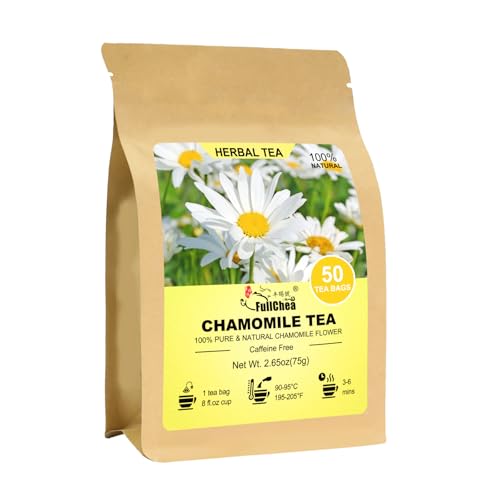
- Premium Ingredients: We only choose premium and fresh chamomile flowers as raw materials without any artificial additive…
- Ultimate Soothing Flower Tea: Renowned for its soothing properties, chamomile tea offers tranquility and relaxation. Wha…
- Truly Powerful Herbal Tea: Chamomile tea is also a gentle herbal tea for kids and adults to support the immune system. P…
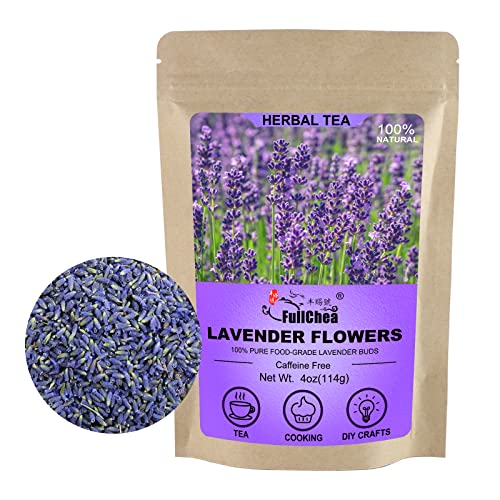
- Manual Screening: To ensure the color and fragrance of lavender buds in each package, we adopted manual screening to rem…
- 100% Premium Food Grade: Culinary-grade lavender buds, processed to the highest food standards. It not only adds a subtl…
- Multiple Benefit: Due to a natural and pleasant fragrance, lavender contains multiple effects,such as relaxing mood and …
Tea didn’t erase stress, but it created moments where my body could breathe differently. And sometimes, that small shift is enough to begin softening.
Walking Outside and Letting Light In
Some of the most regulating moments were surprisingly ordinary.
A slow walk outside helped release emotional pressure that thinking alone couldn’t resolve. Gentle sunlight, fresh air, and movement without urgency gave my nervous system subtle reassurance.
It didn’t need to be an exercise.
Even standing near a window or stepping outside briefly created a shift.
Soft living often begins by reconnecting with the world in small, gentle ways.
Massage and the Release of Stored Tension
I eventually realized that exhaustion was not only emotional — my body was holding tension constantly.
Occasional massage became a way to release that quiet accumulation.
Beyond relaxation, massage can soften myofascial tension, support circulation, and activate the body’s restorative state. Emotionally, it felt like my nervous system could finally stop holding everything together.
Not as a luxury.
Just as permission to soften.
Even gentle stretching or self-massage can offer similar comfort.
If you’re looking for practical ways to ease physical tension, I’ve put together a guide on the best massage devices for relaxation that can help you unwind at home.
Warm Water Rituals for Nervous System Comfort
Water created a contained space where the body could release tension without effort.
Warm baths, Epsom salts, essential oils, or even a simple foot soak became deeply grounding for me.
For those without access to baths, a warm foot soak can be just as calming — a quiet sensory signal that the day is allowed to end gently.
Journaling as Quiet Emotional Release
When thoughts remain unspoken, the body often carries them.
Journaling gave me a private space to release emotions without explanation, pressure, or needing to sound strong.
Sometimes clarity came.
Sometimes, only relief.
Both were enough.
Just a Gentle Beginning for a Soft Living
These practices are not a perfect routine or a full solution.
They are simply some of the small things that helped me feel safer and more functional during emotionally heavy seasons.
There are many more gentle tools we will explore together over time.
You don’t need to do everything.
Choosing one small moment of softness is already meaningful.
✨ Final Thought
If you feel exhausted, you are not broken.
You are navigating life with a sensitive, responsive nervous system.
Soft living is not about doing less.
It is about learning how to stay present without feeling constantly unsafe inside yourself.
And that is a form of strength that deserves compassion.
🌿 If this felt like a small pause in your day, and you’d like to support this space, you’re always welcome to do so here. ☕
Transparency Note
This article may contain affiliate links. If you choose to purchase through them, I may earn a small commission at no extra cost to you. I only share tools that feel aligned with gentle living and emotional well-being. 🪻